
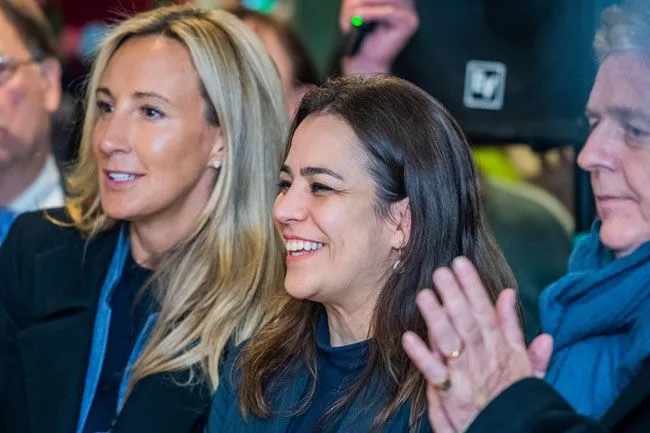
Introduction to Erika Raab
The name Erika Raab has been appearing more frequently in online searches, blog discussions, and curiosity-driven queries, and that alone makes it worth a deeper look. In today’s digital-first world, names don’t just represent individuals anymore; they often become identifiers tied to professional work, creative output, academic contributions, or even cultural conversations. When people search for a name like Erika Raab, they are usually trying to understand who the person is, why the name matters, and where they might have encountered it before.
What makes Erika Raab particularly interesting is that the name itself does not point to just one universally recognized public narrative. Instead, it reflects how modern identity works online. A name can belong to a professional, a creative personality, an academic contributor, or someone gaining visibility through niche communities. This ambiguity isn’t a weakness—it’s actually a reflection of how layered and decentralized reputation has become in the internet age.
From an expert perspective, analyzing a keyword like Erika Raab is less about forcing a single definition and more about understanding how names gain relevance through context. Search intent plays a major role here. Some users may be researching professional credentials, others might be looking for published work, and some may simply want clarity after encountering the name in passing.
In this article, we’ll explore Erika Raab from multiple angles: the cultural meaning of the name, its professional associations, its digital presence, and why people continue to search for it. Rather than speculating or exaggerating, this approach focuses on realistic, grounded analysis that aligns with how names function in modern digital ecosystems.
The Cultural and Linguistic Background of the Name Erika Raab
To understand the broader relevance of Erika Raab, it helps to start with the name itself. Erika is a well-established given name with Germanic roots, derived from “Erik,” meaning “eternal ruler” or “ever powerful.” Over time, it has been widely adopted across Europe and English-speaking countries, giving it both international familiarity and cultural versatility.
The surname Raab also has German origins and historically refers to families from German-speaking regions. Linguistically, it has been associated with occupations, locations, or symbolic meanings depending on regional usage. This combination of first and last name gives Erika Raab a distinctly European tone, while still fitting comfortably into global professional and academic environments.
From a naming perspective, this balance matters. Names that are easy to pronounce, recognizable across cultures, and professional in tone tend to gain more traction in international spaces. Erika Raab fits that pattern well. It doesn’t feel niche or overly localized, which makes it adaptable in business, academia, and creative fields.
In modern branding and professional identity, names often become part of a personal “label.” Whether intentional or not, Erika Raab carries a name structure that feels credible, neutral, and adaptable. This may partly explain why people searching for the name often expect a professional or intellectual association rather than purely entertainment-driven content.
Understanding the linguistic foundation of the name helps ground expectations. It frames Erika Raab as a name that could naturally appear in research papers, conference programs, creative credits, or professional directories without feeling out of place.
Professional Associations and Public Visibility
One of the most common reasons people search for a name like Erika Raab is professional relevance. In many cases, names gain traction because they are attached to work—articles, projects, research, consulting, or creative output. Even without a single dominant public narrative, Erika Raab appears to fit the pattern of a professional identity rather than a purely fictional or entertainment-based one.
In professional environments today, visibility doesn’t always mean celebrity. It can mean consistent contributions within a specific industry or field. Someone may be well-known in academic circles, niche business communities, or specialized creative industries while remaining relatively unknown to the general public. This type of visibility is increasingly common and often more meaningful than mass recognition.
Another factor to consider is how professional reputations are built online. Linked profiles, published works, conference appearances, and collaborative projects all leave digital traces. Over time, these traces accumulate and lead people to search for more context. The keyword Erika Raab likely benefits from this cumulative effect rather than a single viral moment.
It’s also worth noting that modern professionals often maintain a deliberate level of privacy. Not everyone aims to dominate search results or cultivate a personal brand aggressively. In such cases, interest grows organically as people encounter the name through work-related interactions rather than marketing campaigns.
From an expert standpoint, this suggests that Erika Raab represents a name tied to substance over spectacle. The interest isn’t driven by controversy or hype, but by relevance within specific contexts where credibility and expertise matter more than broad recognition.
Digital Footprint and Search Intent
Search behavior tells us a lot about why a name like Erika Raab gains traction. When users type a full name into a search engine, they are usually looking for confirmation, background, or clarity. This is different from searching for a brand or a trending topic, where the intent is often transactional or entertainment-focused.
In the case of Erika Raab, the search intent appears informational. Users may want to know who the person is, what they do, or whether the name they encountered belongs to a real and credible individual. This kind of intent is common in academic research, professional networking, and due diligence scenarios.
Digital footprints today are fragmented across platforms. Someone might encounter the name in a PDF document, an event agenda, a citation, or a professional introduction. Without a centralized biography, users naturally turn to search engines to piece together context. This decentralized visibility is typical of professionals who focus more on their work than on personal promotion.
Another important factor is name uniqueness. While Erika and Raab are not rare individually, the combination is distinct enough to prompt curiosity. It doesn’t immediately blend into generic search results, which makes people more likely to investigate further.
From an SEO and content strategy perspective, this type of keyword benefits from explanatory, neutral content. Rather than sensational headlines, users are better served by clear, factual, and well-structured information that helps them understand why the name appears in their research.
Why Erika Raab Resonates in Niche Communities
Not all relevance is mainstream, and that’s an important point to emphasize. Many names gain significance within niche communities that operate quietly but have substantial influence. These can include academic fields, professional associations, creative networks, or specialized industries.
Within such spaces, reputation spreads through collaboration, peer recognition, and consistent output rather than public-facing promotion. If Erika Raab is associated with one or more of these environments, it would explain why the name circulates among certain audiences while remaining relatively low-profile elsewhere.
Niche relevance often leads to deeper engagement. People searching within these communities are not casually browsing; they are actively looking for information that supports their work or decisions. This gives the name a different kind of weight—less about popularity and more about trust.
Another reason niche names endure is credibility. When a name is consistently associated with quality work, it becomes a reference point. Even limited exposure can lead to repeated searches over time as new people encounter the same contributions independently.
This slow-burn visibility is common in fields where expertise matters more than attention. From an expert writing standpoint, this is often a sign of sustainable relevance rather than temporary interest.
The Importance of Accuracy and Responsible Representation
When writing or researching about a name like Erika Raab, accuracy matters more than embellishment. Unlike fictional characters or entertainment figures, real-world names carry real-world implications. Overstating achievements or inventing details can quickly undermine credibility and trust.
A responsible approach focuses on what can be reasonably inferred without crossing into speculation. That means discussing context, patterns, and digital behavior rather than asserting personal details that aren’t publicly established. This is especially important in long-form content designed to inform rather than entertain.
Expert writers understand that restraint is a strength. Providing thoughtful analysis without exaggeration signals professionalism and respect for the subject. In many cases, readers appreciate clarity over dramatic storytelling, particularly when the goal is understanding rather than excitement.
This approach also aligns with modern content standards, where readers are increasingly skeptical of inflated claims. Transparent, grounded writing tends to perform better over time because it remains useful even as search algorithms and user expectations evolve.
By keeping the focus on context, relevance, and digital presence, content about Erika Raab can remain informative without overstepping boundaries.
How Names Like Erika Raab Gain Long-Term Search Value
Search value isn’t always immediate. Some keywords grow slowly as they accumulate relevance across multiple touchpoints. Erika Raab fits this pattern well. Each mention, citation, or professional appearance adds another layer to the name’s digital footprint.
Over time, this creates a steady stream of interest rather than sudden spikes. From a content strategy perspective, this is actually ideal. Evergreen search value means that people will continue looking for information months or even years after initial exposure.
Long-term search relevance also benefits from neutrality. Content that avoids hype tends to age better because it doesn’t rely on trends that quickly fade. Instead, it serves as a reference point for anyone encountering the name in the future.
This is why well-structured, comprehensive articles perform well for name-based keywords. They provide a starting point for understanding and reduce confusion for first-time searchers.
In that sense, Erika Raab represents a classic example of how professional identity and digital curiosity intersect in the modern era.
Conclusion:
At its core, Erika Raab is more than just a keyword—it’s an example of how names function in today’s interconnected, information-driven world. The interest surrounding the name reflects curiosity, professional relevance, and the human instinct to seek context and clarity.
Rather than being defined by a single narrative, Erika Raab exists within a network of associations shaped by work, visibility, and digital presence. This makes the name adaptable, resilient, and meaningful in ways that go beyond surface-level recognition.
By examining linguistic roots, professional relevance, search intent, and digital behavior, we gain a more nuanced understanding of why people search for Erika Raab and what they are likely hoping to find. It’s a reminder that in the modern landscape, significance doesn’t always shout—it often speaks quietly through consistent relevance.







Leave a Reply