
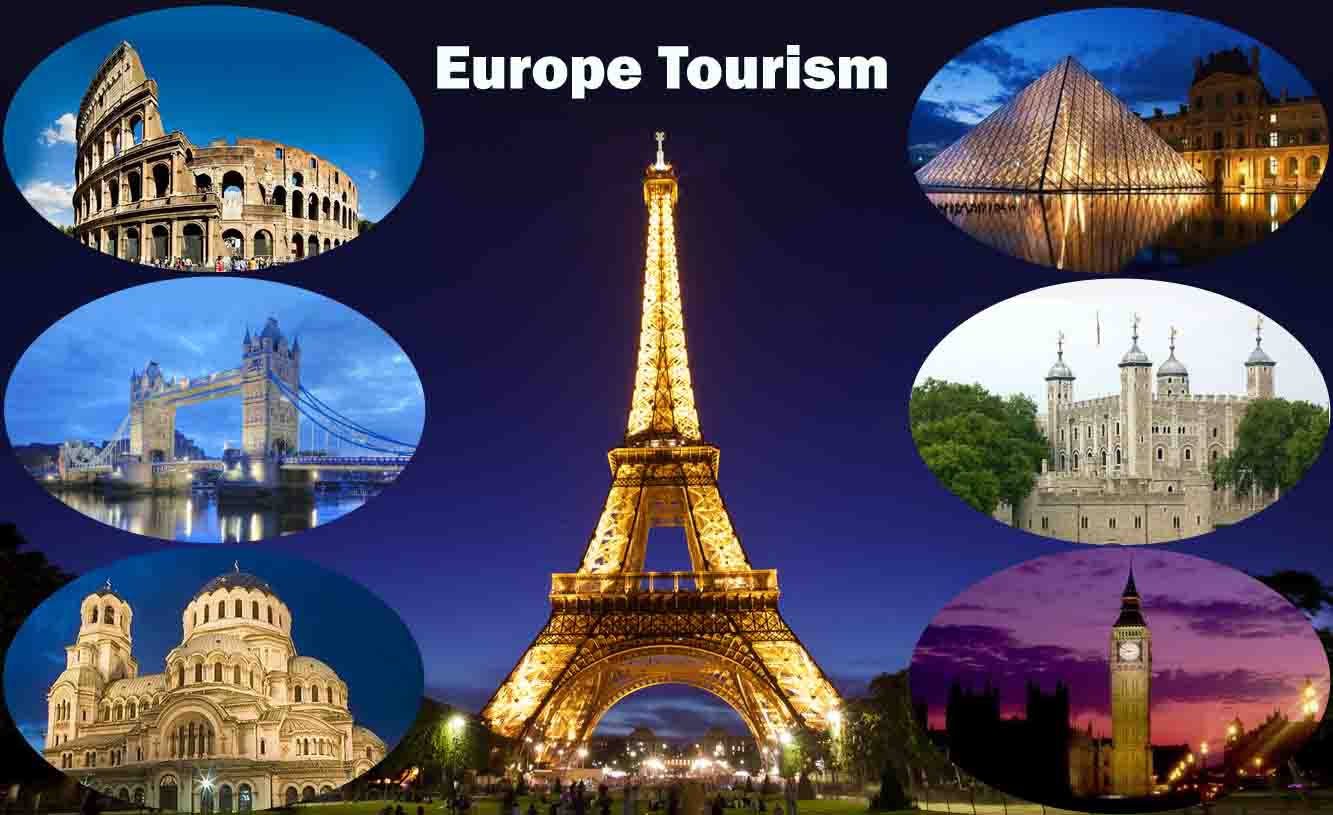
Introduction to europe tour
A Europe tour has always held a special place in the hearts of travelers, and honestly, it’s not hard to understand why. Europe packs an incredible amount of history, culture, landscapes, and lifestyle into a relatively small geographic area. In just a few hours, you can move from medieval towns to futuristic cities, from snow-capped mountains to sun-soaked beaches, and from quiet countryside villages to buzzing global capitals. That kind of diversity is rare anywhere else in the world.
What makes a Europe tour especially appealing is how customizable it can be. Whether you’re a backpacker on a budget, a couple looking for romance, a family planning a memorable vacation, or a solo traveler chasing experiences, Europe adapts to you. You can spend weeks slowly exploring one country or hop across multiple borders in a single trip without feeling rushed or disconnected. Each destination feels distinct yet surprisingly familiar.
Another reason Europe remains a top travel choice is infrastructure. Trains, flights, buses, and ferries are well-connected and reliable, making travel smooth even for first-time visitors. Add to that the high standards of accommodation, safety, and healthcare, and you get a destination that feels both adventurous and reassuring. It’s a place where spontaneity meets structure in the best possible way.
Finally, a Europe tour isn’t just about seeing places; it’s about experiencing a lifestyle. Long café conversations, evening walks through historic streets, local markets, and regional cuisines all create moments that stay with you long after the trip ends. Europe doesn’t rush you—it invites you to slow down and truly enjoy the journey.
Planning Your Europe Tour the Smart Way
Planning a Europe tour might feel overwhelming at first, especially given the sheer number of countries and attractions to choose from. The key is to start with clarity rather than trying to see everything at once. Decide what kind of experience you want: cultural exploration, food and wine, nature and scenery, nightlife, or a mix of everything. This initial focus will help narrow down destinations and avoid travel fatigue.
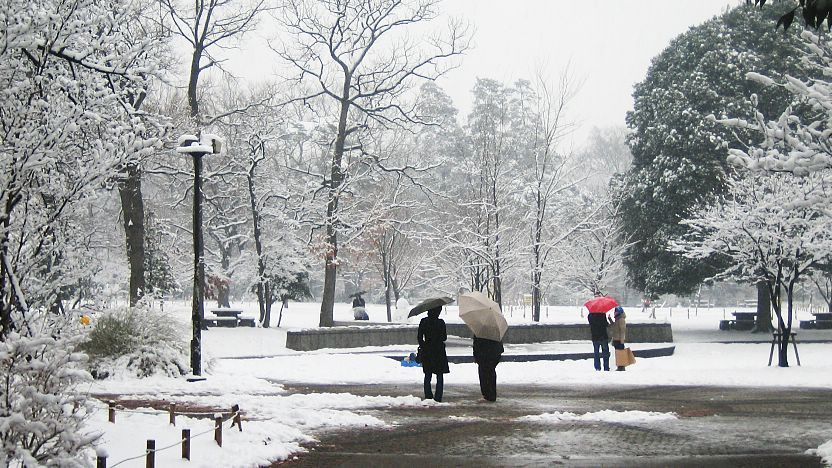
Timing is another critical factor. Europe looks very different depending on the season. Summer is vibrant and lively but also crowded and expensive, especially in major cities like Paris, Rome, and Barcelona. Spring and autumn are often considered the sweet spots, offering pleasant weather, fewer tourists, and more reasonable prices. Winter, while cold in many regions, brings festive markets, snowy landscapes, and a quieter, more intimate travel experience.
Budget planning plays a big role in shaping your Europe tour. Western and Northern European countries tend to be more expensive, while Eastern and Southern Europe often offer better value for money. Mixing destinations can help balance costs without compromising on experience. Booking accommodations and transport in advance usually saves money, but leaving some flexibility allows for spontaneous discoveries.
Documentation and logistics should never be an afterthought. Visa requirements, travel insurance, currency differences, and local regulations vary by country. Preparing these details early ensures a stress-free journey. Once the essentials are handled, planning becomes exciting rather than stressful, setting the stage for a memorable Europe tour.
Western Europe: Culture, Classics, and Iconic Cities
Western Europe is often the first region people think of when planning a Europe tour, and for good reason. Countries like France, Germany, Belgium, and the Netherlands are rich in history, art, and architecture. Walking through these cities feels like stepping into a living museum, where centuries-old buildings coexist with modern urban life.
France offers a perfect blend of romance, culture, and gastronomy. Paris alone can fill days with its museums, cafés, and iconic landmarks, while regions like Provence and Bordeaux add countryside charm and world-class wine. Germany, on the other hand, balances history with innovation, from Berlin’s modern energy to Bavaria’s fairy-tale villages and castles.
The Netherlands and Belgium are compact yet full of character. Amsterdam’s canals, museums, and relaxed atmosphere make it a favorite among travelers, while Brussels and Bruges charm visitors with medieval streets and culinary delights. These countries are easy to combine, making them ideal for shorter Europe tours.
Western Europe’s strength lies in its balance. It offers well-known attractions without sacrificing depth or authenticity. Even in busy tourist hubs, it’s easy to find quieter neighborhoods and local experiences that make your Europe tour feel personal and immersive.
Southern Europe: Sun, History, and Soulful Living
Southern Europe brings warmth to any Europe tour, both in climate and spirit. Countries like Italy, Spain, Portugal, and Greece are known for their relaxed pace, vibrant culture, and deep historical roots. Life here revolves around food, family, and shared experiences, which travelers quickly grow to love.
Italy is a destination that feels endlessly rich. From Rome’s ancient ruins to Florence’s art and Venice’s canals, every city tells a story. Beyond the famous landmarks, small towns and coastal regions offer moments of quiet beauty and unforgettable meals. Spanish cities like Barcelona, Madrid, and Seville add energy, color, and rhythm to a Europe tour, especially through music, festivals, and nightlife.
Portugal often surprises first-time visitors with its affordability, friendliness, and stunning coastline. Lisbon and Porto combine old-world charm with modern creativity, while coastal towns provide perfect escapes. Greece, with its islands and ancient sites, offers a mix of history and relaxation that few places can match.
Southern Europe teaches travelers how to slow down. Long lunches, late dinners, and evening strolls become part of daily life. Including this region in your Europe tour adds depth, emotion, and a sense of connection that goes beyond sightseeing.
Eastern Europe: Hidden Gems and Authentic Experiences
Eastern Europe is increasingly becoming a favorite among seasoned travelers seeking something different in their Europe tour. Countries like Poland, Hungary, Czech Republic, Romania, and Croatia offer stunning architecture, rich traditions, and lower travel costs compared to Western Europe.
Cities such as Prague, Budapest, and Kraków are visually striking and deeply historical, yet they remain approachable and affordable. These destinations often feel less crowded, allowing visitors to explore at a comfortable pace. Local food, transport, and accommodations are generally budget-friendly, making Eastern Europe ideal for longer stays.
One of the biggest advantages of Eastern Europe is authenticity. Traditions are strongly preserved, and local interactions often feel more personal. Rural areas, in particular, offer insights into lifestyles that haven’t been overly shaped by mass tourism.
Including Eastern Europe in your Europe tour adds contrast and balance. It challenges common perceptions, introduces new cultures, and often becomes the most memorable part of the journey for many travelers.
Transportation During a Europe Tour
Transportation is one of the strongest points of a Europe tour. The continent’s rail network is extensive, efficient, and scenic, making train travel a favorite choice. High-speed trains connect major cities, while regional trains allow access to smaller towns and countryside areas.
Budget airlines also play a significant role, especially for covering long distances quickly. While flights are often cheap, travelers should consider baggage policies and airport locations, which can add time and cost. Buses offer another affordable option, particularly in Eastern and Southern Europe.
Within cities, public transportation systems are usually reliable and easy to navigate. Metro systems, trams, and buses make exploring straightforward even without a car. Walking is often the best way to experience European cities, revealing hidden streets and local spots that don’t appear in guidebooks.
Choosing the right mix of transportation keeps a Europe tour efficient without feeling rushed. Thoughtful planning ensures travel days are part of the experience, not just a way to get from one place to another.
Accommodation Options Across Europe
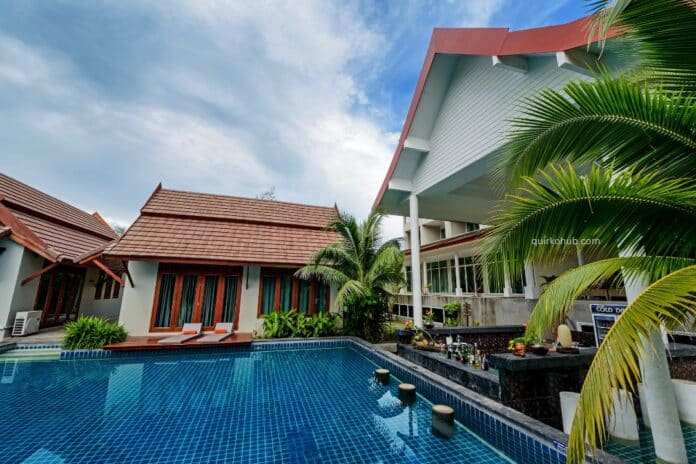
Accommodation choices can greatly shape your Europe tour experience. Hotels range from luxury properties to simple budget options, catering to all travel styles. Many European cities also offer charming boutique hotels that combine comfort with local character.
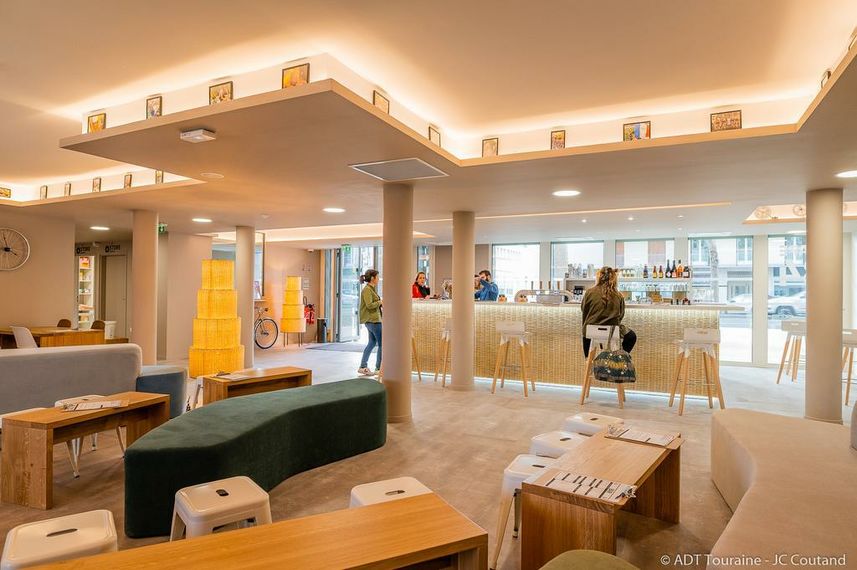
Hostels are no longer just for young backpackers. Modern hostels provide private rooms, stylish common areas, and social atmospheres that appeal to travelers of all ages. Apartments and vacation rentals are popular for longer stays, offering space and the chance to live like a local.
Location matters more than luxury in many cases. Staying slightly outside city centers can reduce costs while still providing good transport connections. In smaller towns, centrally located accommodations often add to the charm and convenience of the experience.
The right accommodation turns a Europe tour from a busy trip into a comfortable journey. A good night’s rest makes all the difference when exploring full days of history, culture, and cuisine.
Food and Culinary Experiences on a Europe Tour
Food is a highlight of any Europe tour, and every region brings something unique to the table. From French pastries and Italian pasta to Spanish tapas and Eastern European comfort dishes, meals become cultural lessons in themselves.
Eating locally enhances both flavor and authenticity. Markets, bakeries, and small family-run restaurants often provide better experiences than tourist-focused spots. Regional specialties vary widely even within the same country, encouraging travelers to try new dishes wherever they go.
Dining customs also differ across Europe. Meal times, tipping practices, and café culture vary by region, adding depth to everyday experiences. Taking time to understand and respect these traditions makes interactions smoother and more enjoyable.
A Europe tour isn’t complete without indulging in its culinary diversity. Food creates memories, sparks conversations, and often becomes the most talked-about part of the journey once travelers return home.
Cultural Etiquette and Local Interaction
Understanding cultural etiquette enhances any Europe tour. While Europe is generally welcoming, customs vary between countries and even regions. Simple gestures like greeting politely, respecting personal space, and learning a few local phrases go a long way.
Europeans often value punctuality, especially in Northern and Central regions. Dress codes may be more formal in certain settings, such as churches or upscale restaurants. Observing and adapting to local behavior helps travelers blend in rather than stand out.
Interacting with locals adds richness to the experience. Conversations with shop owners, café staff, or fellow passengers often lead to recommendations that aren’t found online. These moments create connections that make a Europe tour feel more human and less transactional.
Respect and curiosity are the best tools for cultural exchange. When travelers approach Europe with openness, they’re often rewarded with warmth and genuine hospitality.
Conclusion:
A Europe tour is more than a checklist of destinations; it’s a journey through time, culture, and personal growth. The continent’s diversity allows travelers to shape experiences that match their interests and pace, whether that means fast-paced city hopping or slow, immersive exploration.
The key to a successful Europe tour lies in balance. Mixing famous landmarks with lesser-known spots, planning while staying flexible, and embracing both structure and spontaneity all contribute to a fulfilling experience. Europe rewards those who take the time to look beyond the surface.
Ultimately, what makes a Europe tour unforgettable isn’t just where you go, but how you experience it. The conversations, the meals, the unexpected detours, and the quiet moments all come together to create a story uniquely your own.




Leave a Reply