
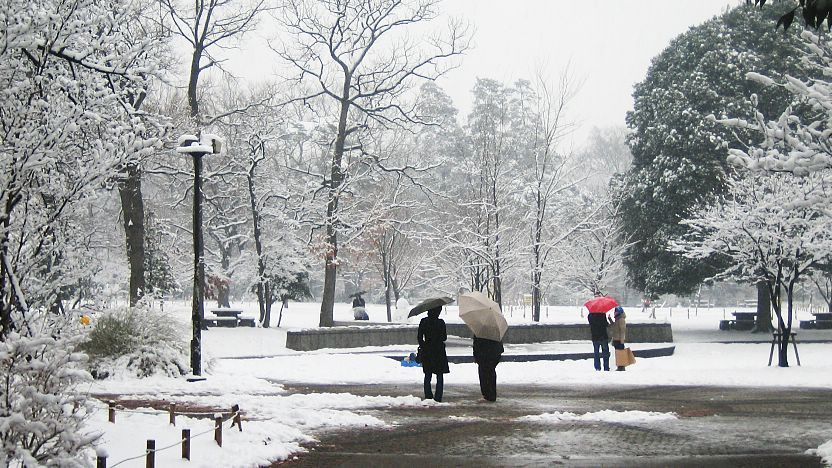
Tokyo is usually associated with neon lights, efficient trains, buzzing streets, and cherry blossoms gently falling in spring. Snow, on the other hand, feels almost out of place in the Japanese capital. Yet when it does arrive, it transforms the city into something quietly magical. Snow in Tokyo is not just a weather event—it’s a cultural moment, a logistical challenge, and a visual experience that feels both familiar and completely unique.
Unlike cities that are built around long, harsh winters, Tokyo treats snow as an occasional guest rather than a permanent resident. This rarity is exactly what makes it special. When snowflakes start falling over Shibuya Crossing or dust the rooftops of Asakusa, the entire rhythm of the city subtly shifts. People slow down, cameras come out, and the city collectively pauses to take it all in.
In this article, we’ll explore what snow in Tokyo really means—from the climate patterns behind it to how it affects daily life, travel, culture, and even the city’s emotional atmosphere. Whether you’re planning a winter trip or just curious about how one of the world’s biggest cities handles snow, this deep dive will give you a clear, expert-backed picture.
Understanding Tokyo’s Winter Climate and Snowfall Patterns
Tokyo has a snow in Tokyo temperate climate, which means its winters are relatively mild compared to many other global cities at a similar latitude. Snowfall does happen, but it’s sporadic, unpredictable, and usually light. Most winters pass with only a handful of snowy days, and some years see no significant accumulation at all. This makes every snow event feel noteworthy, even when it’s just a few centimeters.
The city’s proximity to the Pacific Ocean plays a major role in shaping its winter weather. Cold air masses moving down from Siberia can bring snow, but by the time they reach Tokyo, much of the moisture has already been released over the Sea of Japan. As a result, heavier snowfall tends to occur on the western side of the country, while Tokyo gets the leftovers—lighter snow mixed with rain.
Another important factor is temperature. Tokyo winter temperatures often hover just above freezing during the day. This means snow frequently melts quickly, sometimes within hours. Overnight snowfall may look dramatic in the early morning, only to disappear by midday as traffic, foot traffic, and slightly warmer air do their work.
Because snowfall is relatively rare, even small amounts can feel significant. A few centimeters of snow in Tokyo can generate headlines, social media buzz, and official warnings. It’s not about the volume—it’s about the disruption and the novelty.
How Often Does It Snow in Tokyo?
On average, Tokyo experiences snow a few times each winter, typically between January and February. However, “snow” can mean anything from light flurries to a thin layer that barely sticks. Major snow events—where accumulation reaches 5 centimeters or more—are much less common and may occur only once every few years.
Some winters stand out in public memory because of unusually heavy snowfall. These events tend to cause widespread transportation delays and spark intense media coverage. Trains slow down, flights are canceled, and people who normally commute without thinking suddenly need to plan carefully.
What’s interesting is how Tokyo residents perceive snow frequency. Even though snow technically falls most winters, many locals still describe it as “rare.” This perception comes from how short-lived the snow usually is and how little of it actually accumulates. Compared to regions like Hokkaido or even the mountains outside Tokyo, the capital’s snowfall feels almost symbolic.
Climate variability also plays a role. Some years bring colder winters with more frequent snow days, while others stay dry and sunny. There’s no reliable pattern, which adds to the sense of surprise whenever snow does appear in the forecast.
The Visual Transformation of Tokyo Under Snow
One of the most striking things about snow in Tokyo is how dramatically it changes the city’s appearance. Tokyo is a dense, concrete-heavy metropolis, and snow softens those sharp edges almost instantly. Streets look quieter, buildings seem gentler, and familiar landmarks take on a completely different personality.
Historic areas like Asakusa or Meiji Shrine are especially beautiful under snow. Traditional wooden structures, temple roofs, and stone pathways contrast beautifully with the white blanket, creating scenes that feel almost cinematic. Even modern neighborhoods like Shinjuku and Roppongi gain a surreal charm when snow settles on skyscrapers and glowing signs.
Snow also changes the sound of the city. Traffic noise dulls, footsteps crunch, and the usual urban hum fades into something calmer. For a city known for constant motion, this temporary hush feels almost shocking.
Photographers and travelers often say that snow reveals a different Tokyo—one that feels more intimate and reflective. It’s a reminder that even the world’s largest cities can feel small and quiet under the right conditions.
Daily Life in Tokyo When It Snows
For residents, snow brings a mix of excitement and inconvenience. Many people enjoy the novelty, especially children and young adults who don’t get many chances to experience snowfall in the city. Social media fills with photos, snowmen appear in parks, and there’s a shared sense of something unusual happening.
At the same time, snow complicates daily routines. Tokyo’s infrastructure is optimized for efficiency, not snow. Sidewalks can become slippery, and roads are often not salted as aggressively as in colder countries. This means even light snow can increase the risk of accidents.
Commuters are particularly affected. Trains may run more slowly, and platform congestion increases as people wait for delayed services. Office workers often leave home earlier than usual, while employers sometimes encourage remote work during heavier snowfalls.
Despite the inconvenience, there’s a strong sense of collective patience. Tokyoites are used to adapting quickly, and most disruptions are handled calmly. Snow doesn’t stop the city—it just slows it down for a day or two.
Transportation Challenges During Snowfall
Transportation is where snow has the most visible impact on Tokyo. The city’s rail network is incredibly complex and tightly scheduled, which means even small disruptions can ripple outward. Snow can interfere with track switches, overhead lines, and braking systems, leading to reduced speeds and delays.
Road traffic also becomes more challenging. Many drivers are not accustomed to winter driving conditions, and snow tires are not universally used in Tokyo. This can lead to congestion, minor accidents, and slower delivery times.
Air travel is another area affected by snow. Flights at Tokyo’s major airports may be delayed or canceled during heavier snowfall, especially if icy conditions develop. While airports are well-prepared, safety always takes priority.
What’s impressive is how quickly systems usually recover. Snow in Tokyo rarely lasts long, and cleanup efforts begin immediately. Within a day, the city often returns to near-normal operations.
Cultural Reactions to Snow in Tokyo
Snow carries a deep cultural symbolism in Japan, even in places where it’s uncommon. It’s often associated with purity, impermanence, and quiet beauty—ideas that resonate strongly with traditional Japanese aesthetics. When snow falls in Tokyo, these themes suddenly feel very real.
Many people take time to appreciate the moment, even if it’s inconvenient. It’s common to see people pausing to take photos, admire snow-covered trees, or simply enjoy the atmosphere. Cafés and convenience stores feel cozier, and hot drinks become especially popular.
Snow also brings a sense of shared experience. Because it’s rare, everyone notices it at the same time. It becomes a common topic of conversation, both online and offline. In a city where millions of people coexist but rarely interact, snow creates a brief sense of collective awareness.
Snow and Seasonal Food in Tokyo
Winter in Tokyo already comes with a shift in food culture, but snow intensifies it. Hot, comforting dishes suddenly feel even more appealing when the streets are cold and white. Ramen shops, udon restaurants, and convenience stores see increased demand for warm meals.
Seasonal treats also gain attention. Hot canned drinks from vending machines—like coffee, cocoa, and tea—become small pleasures that feel perfectly timed. Traditional sweets enjoyed with hot tea take on extra significance when paired with snowy views.
Some restaurants even adjust their atmosphere, leaning into the winter mood with seasonal menus or special promotions. Snow, even when brief, enhances the emotional connection between food and environment.
Snow as a Travel Experience for Visitors
For tourists, snow in Tokyo can be an unexpected highlight. Many visitors don’t plan their trips around snow, so encountering it feels like a bonus rather than an expectation. It adds a unique layer to sightseeing and photography.
Popular attractions take on new life under snow, offering views that feel exclusive and fleeting. At the same time, travelers need to be flexible. Transportation delays, closed paths, and slippery conditions can affect itineraries.
The key is preparation. Wearing proper footwear, allowing extra travel time, and checking weather updates can make the experience enjoyable rather than stressful. For many visitors, seeing Tokyo in snow becomes one of their most memorable travel moments.
Comparing Tokyo’s Snow to Other Parts of Japan
To fully understand snow in Tokyo, it helps to compare it with other regions of Japan. Places like Hokkaido and the Japanese Alps experience heavy, consistent snowfall and are fully equipped for winter conditions. Snow there is a way of life.
Tokyo, by contrast, exists on the edge of snow culture. It experiences just enough snowfall to be affected, but not enough to fully adapt. This in-between status explains both the fascination with snow and the challenges it creates.
For travelers, this contrast can be exciting. It’s possible to experience both snowy landscapes and relatively mild urban winters within the same country, sometimes on the same trip.
The Emotional Impact of Snow in a Megacity
Beyond the practical effects, snow in Tokyo has a noticeable emotional impact. It introduces a sense of calm and reflection into an environment that is usually fast-paced. People move more slowly, pay more attention to their surroundings, and seem more present.
This emotional shift may be temporary, but it’s powerful. snow in tokyo Snow reminds people of nature’s influence, even in a city defined by human design. It breaks routine and creates space for appreciation.
For many residents, these moments stand out in memory. Years later, people often remember specific snowy days—not because of disruption, but because of how the city felt during those hours.
Preparing for Snow in Tokyo
While snow is rare, being prepared makes a big difference. Residents and visitors alike benefit from checking weather forecasts closely snow in tokyoz during winter months. Simple precautions, like wearing non-slip shoes and allowing extra time for travel, can prevent most problems.
Businesses and city services also prepare in their snow in tokyo own way, monitoring conditions and adjusting operations as needed. While Tokyo may not be a snow city, it has learned how to respond efficiently when snow arrives.
The key is flexibility. Snow in Tokyo is never predictable, but it’s almost always temporary.
Why Snow in Tokyo Feels So Special
Snow in Tokyo matters not because of how much falls, but because of what it represents. It’s a reminder that even the most advanced, structured environments snow in tokyo are still influenced by nature. It introduces beauty, disruption, and shared experience all at once.
For locals, it breaks routine. For visitors, it adds magic. For the city itself, it offers a brief moment of softness that contrasts with its usual intensity.











Leave a Reply